
Home » OA/TOF information » OA/TOF Videos » Q&A: Tube Feeding and Parenteral Nutrition
Home » OA/TOF information » OA/TOF Videos » Q&A: Tube Feeding and Parenteral Nutrition
In this Q&A we are joined by a panel of experts from BAPEN’s Patient Network Group multi-professional team to answer questions about tube feeding, parenteral nutrition and all things artificial nutrition.
Useful links:
Duncan Jackson (DJ)
I’m Duncan Jackson, I have the pleasure of being chair of TOFS, and obviously your host for tonight.
Tonight is different to some of our other nights, because instead of only having one or two consultants to talk to us, and people, we’ve actually got five people this time who are going to be speaking.
Thank you to all those people who’ve, obviously, presented all their questions in advance. Your questions are, hopefully, are going to be answered during a presentation where they talk you through all? lots of different elements, and? If you have got any questions, and they’ve not quite answered them, or you think actually there’s something else when they’re speaking, then obviously please use the Q&A, and obviously we’ll ask those questions right at the end, and hopefully answer them all for you.
So, if we can make sure, please, obviously cameras are off and microphones are off, so it doesn’t distract the speakers from speaking.
I just want to say a big thank you to our guests, for giving up their time tonight, and obviously putting this presentation together for us as well. And I’m going to hand over to Theo, so he can get started. Theo, welcome and thank you.
Theo Wong (TW)
Thank you, Duncan. Hi, everyone. I’m going to first introduce myself. My name is Theo Wong.
I’m a paediatric consultant in gastroenterology at Birmingham Women’s and Children’s Hospital. And tonight, I think I will be just giving you a little bit of a medical aspect of Tracheal oesophageal fistula, and? Oesophageal atresia as well.
So, if I could get the slides up, if that’s alright.
So, next slide, please. So the things that I’m going to cover tonight is? Next slide? It’s why do we get, TOF OA, or OA TOF? And what usually is done for patients with this condition, and what are the possible complications? And I think that there were some Questions about growth as well, so we’ll be going through that too. Next slide.
So, if we first just cover the types of OA/TOF?
So, we have 5 different, ways that, patients with OA TOF actually presents. The first one is, is that actually there’s no fistulas track at all. A fistulas track is actually a communication between two areas that is not where we don’t normally see it. So, as you can see, that on the left-hand side, where it says 2A, we’ve got the top bit of the food pipe, the oesophagus, and we’ve got the bottom part, and they’re not connected. So this is just an oesophageal atresia. And on that side? on the right-hand side there, it’s represented by little lines across, that’s the trachea.
Then we have a fistulas tract that is on the top part of the oesophagus, or 3BC is a fistulas tract on the bottom half of the oesophagus. And as you can also see here, you can also have the fistulas tract, in both, top and bottom. And the last type is what we call an X-type TOF, where there’s? it’s continuous, the oesophagus is continuous, there’s no atresia at all, but there’s a communication between the oesophagus and the trachea.
And then, as you can see, this is an endoscopic picture on the right hand? top-hand corner, where you could see that normally, in the respiratory tract, so in the, windpipe. Actually, its division is always in twos. So, as you can see that on the top there, there’s a bigger hole. That’s the normal, windpipe, communication. And on the side there, you’ve got a normal hole there, which we don’t normally see. So that’s the fistulas tract there. Next slide.
So, how does this actually happen? So, embryologically, actually, the? front bit, the respiratory tract and the gastrointestinal tract, actually comes from the same, part. So, this is, showing you what the gastrointestinal tract looks like in a 5-week-old embryo. and the? diagram on the right is actually showing you what happens at 6 weeks. So you can see that there’s a long tube going down without any kind of movements at all. Movements meaning twisting, et cetera, of the intestine. But by 6 weeks, actually, you could see that the stomach is starting to form, like a little bulb on the top, and then also the gut is actually starting to? Twists around. Next slide.
And this slide actually shows you a little bit better that the blue bit is actually the lungs and the tracts in the respiratory tract. And then the yellow is actually the gastrointestinal tract. As you can see, that as time goes on, actually, it pinches off from a common tube into two separate tubes. So, when we have got an incomplete separation of the tubes, that’s when we actually get the fistulas trapped between the two. Next slide.
This is another concept that sometimes is difficult to get at, but actually what happens when we’re all embryos is that first a tube is formed, but then because the cells inside the tube actually grows, it actually fills the tube. But then, when the tube fills, obviously we need to have the gastrointestinal tract and the respiratory tract still with a lumen. What happens is, it goes through what we call recanalization. So, the cells in the middle actually starts breaking down, and then you get the tube reformed again. Next slide.
Next slide, please, yep. So, this is what happens. So, when you hear someone saying whether we have a duplication inside the tube or a stenosis, it’s because that this, embryological process where, the cells grows a lot, and then it actually disintegrates in the middle, there is discrepancy in how that actually, is done. So, atresia is actually when there is incomplete, recanalization or disappearance all the? with all the middle bit of the cells. And that’s why you actually get a block? blockage in the middle. Next slide.
So, what are some of the things that we need to do when we have a patient with, OATOF? So, the first thing that we actually need to do is to actually assess what type of TOF we are, dealing with. So that can be in the form of, having? contrast studies, x-rays, etc. The next stage actually is to consider what happens if we don’t do anything, to the TOF. And as you can see in this diagram here, actually, aspiration is the major risk, because the red arrows is actually showing you that if we just allow the child to feed, if there is a, oesophageal atresia, then it’s just going to reflux back, and it’s going to go back into the lungs. If there’s an abnormal communication of the fistula, then some of it actually can go through into the lungs in its own accord without reflux. And then in the etch-type TOF, which sometimes can be detected really late, because you get most of the food actually going down the food part, the oesophagus, but then A little bit of the time, what happens is that it does go into the lungs as well, so often these patients present rather late in the piece. Next?
So, what are the surgical options? I mean, the most obvious thing, if you’ve got, two ends that are not meeting, and they should be meeting, is to actually join them up. But that sometimes is? Easier said than done, because the ends, if it is very? if the gap is actually very small, we could do what we call a primary anastomosis, which is bringing the the two ends together the first go. If they are very, very far apart, actually what the surgeons do is that either they make stitches to try and bring them closer together, because if we stretch the food pipe to? too much, it’s like a rubber band, isn’t it? Then it just snaps. So we don’t want that, so we need to actually do it in stages to make sure that we bring the two ends closer and closer together in time. The other way is to actually use magnets, and these are special magnets that they put in the two ends. Of the, oesophageal atresia, and then they, with time, they get closer and closer together, and then they will then be able to, put in continuity together. Next.
So? But we’re doing all of this because we actually want the child to have normal function. So that’s the end goal of what we have. So, if we’ve tried to do all of that, what things should we be looking out for next? Please.
So these are the type of complications that we try and look out for. If the? if the joining of the two bits is not tight enough, then you actually get leaks, and so sometimes what the surgeons would do, they would, put in what we call a TAT, so it’s a trans and a somotic Tube, which bypasses the area where they get joined, and then this still allows the child to be fed without any issues.
You can get what we call an anastomotic stricture, which is the area where the two is joint, it heals by having scar tissue there, and scar tissue, as you know, can constrict. If it constricts, then it makes that area actually much more narrow, and so that’s why some patients will need to have regular, dilatations. It’s to try and make that stricture a little bit bigger, so that then allows food to go in.
Sometimes we can get the fistulas tracked, or issues with the, atresia come back again. So that can occur as well. And of course, because we’ve done so much surgery, stretching the oesophagus, etc, it might cause reflux to happen as well.
One of the things that we have learned in the past, at least 10 to 15 years, is that some of the patients with OATOF also can have what we call eosinophilic esophagitis, which basically is a fancy term to say that the food pipe is very sticky, and it causes food to get stuck as well. So it’s not quite a stricture that, blocks the food pipe. So that food can’t go in, but it’s because it’s so sticky that food can’t go in.
Or because of the constant reflux and the issues that we have, you can get what we call Barrett’s oesophagus, which is basically changes to the cells that lines the oesophagus. It can be viewed as a pre-cancerous state, but usually it lasts for a long time without any changes, so it is just something that we look out for, but we don’t necessarily become very anxious about. And of course, all the respiratory complications, like tracheomalacia, which is just floppy, trachea. And recurrent chest infections and asthma-like symptoms. Next slide, please.
So, in terms of growth, what I wanted to stress is that in children, there are two particular periods that is, Where the growth is particularly fast. Next. So, as you can see, I’m demonstrating with the red arrow that the steeper the red arrow is, actually, the faster the growth velocity It’s like, going in a car and you stepping on the pedal to get it to go faster, the car to go faster. So, during the initial neonatal period, you can see that the red arrow is kind of very steep. That means that you’re actually putting Your foot on the accelerator pedal, and it’s actually growing really fast. So that’s why when we? Look at your returns, Say that during the first year of life, they may need, about 100 kilo Cals per kilogram per day, but as time goes on, they will need less and less, Calories per kilogram per day, simply because we are not stepping on the pedal as much anymore, and there’s still growth, but it’s not as fast. Next slide, please.
If we can have a look at, in puberty, there are certain things that are? very distinct in puberty. One is, if you can? go through? yep. We’ve got, hormones. So, as you know, as you go through puberty, there is your testosterone, there’s your LEG, and there’s your FSH as well. But also, I’m sure those of you who’s got teenagers would say that during that age, the kids are ravenous. You can never feed them enough, and they’re always eating, etc. But also, most importantly, there’s a change in the way that, teenagers actually are thinking. So, you might say that they’re a lot of? they’re very rebellious, they are risk-takers, they don’t listen to you, and they just do their own thing, but that’s because they’re going through a phase where there is a change in the way that they perceive the world, and they perceive themselves as well. So, all of those things makes this time of? Growth actually very challenging.
But I know that one of the questions was about, oh, my? my child is going through teenage years, but they seem to have nutritional deficiency. So, I put those things there to just take note that what your child might have, or your teenage child might have been given before, we would need very close monitoring to actually make sure that they’re getting enough For that period of time, simply because the growth velocity is much faster than during their childhood. And with the next slide, I think that I will finish there, so I will? Hand over to the next speaker.
Gemma Kavanagh (GK)
Hi, so I’m Gemma Kavanagh, I’m Lead Nurse for Nutritional Care at Birmingham Women’s and Children’s Hospital, and I’m joined by.
Jane Fletcher (JF)
Hi, I’m Jane Fletcher, I’m Consultant Nurse for nutrition at the University Hospital in Birmingham. So, I’m just going to introduce Gemma very quickly. So, we were asked quite a few questions about enteral Feeding tubes, and we’re hoping to cover most of those things in this talk. So, we will ask questions about the pros and cons of NG tubes versus PEG tubes, and some questions about complications such as granulomas around peg tubes, and some issues with tube movement. So, Gemma has a presentation to go through now, and hopefully she’ll be able to address all of those questions.
GK
Thank you, Jane. So, obviously, the information that we give is information only, so obviously it’s really important, if you’re having any complications, that you do discuss those with either your managing medical team or your child’s managing medical team, and any images that we’re using are just for illustration only, and they’re either my images or Jane’s images that we’ve used in the presentation. Next, please.
So there’s different types of ventral feeding tubes that are available, so some of you might be familiar with some of the terms that are on the screen. So there’s lots of different varieties and brands and manufacturers available of each of the tubes that you see, and generally, most of the care management, there’s quite a lot of similarities, but, care can vary slightly in between each tube.
So along the top row of the tubes that you’ve got, those are the tubes where the tip of the tube sits in the stomach, so any food we give is going into the tummy. So you’ve got your nasogastric Tube, which is considered more of a short-term tube, but can also be used long-term. And then the other tubes are more, kind of, permanent tubes, the gastrostomy, so you’ve got PEGs, which is a percutaneous. endoscopic gastrostomy, you’ve got balloon gastrostomy tubes, and you’ve got more low-profile devices, which people most commonly know as buttons.
And then your bottom row, you’ve got your jejunal feeding tubes, so that’s where your feed is being delivered into part of the small bowel called the jejunum. So again, you’ve got the more short-term option, is a naso- jejunal tube, and then your more permanent options, you’ve got a surgical jejunostomy, which goes direct into the jejunum, and then you’ve got a PEG J, and then a gastro- jejunal tube, or low-profile button. So those are tubes which utilise, an already established gastrostomy stoma, and those tubes have a little external onto the end of the standard gastrostomy tubes, and kind of almost like a little bit of a tail on them, and the tip of those sit into the jejunum. Next slide, please.
So, in determining which is the right type of ventral tube for either yourself or your child, we have to take into account each person’s individual circumstances. So, we need to consider medical history, for each of the patients, whether there’s any known complications, which may make us sway towards one tube versus another, or type of procedure. So, for example, if there’s a patient who isn’t fit to have a procedure under a general anaesthetic, then actually the options for tube feeding may be the nasal inserted tubes, rather than going through a surgical procedure to have an established gastrostomy. And then we also need to consider people’s abilities to be able to care for tubes, what support’s available. And as well, considering whether we’re looking at short-term feeding options or long-term feeding options, so if maybe somebody’s? we’re not quite sure if they’re going to tolerate feeding, or it’s going to be quite short-term, then again, we’d probably opt for those short-term nasogastric tubes or naso-jejunal feeding. And then obviously, if things are well established and it’s going to be long-term, then people then go ahead and have procedures to have more permanent tubes inserted. Next slide, please.
So, we got asked about different pros and cons of gastrostomies and gastrostomy versus nasogastric tubes. So, both, tubes, or both types of tubes really have shared benefits, so the main, benefit of both types of tube is that feed and medication can be delivered directly into the stomach. So that means, you know, the opportunity is there to be able to thrive and grow. because you can get all the nutrition and hydration in that you need to. And with both types of tubes, if it’s a balloon gastrostomy tube or a nasogastric tube, you as a parent or you as a patient can be trained to pass both of those tubes. And in terms of, kind of, like, different, benefits and drawbacks, I thought it’d be easy to just touch on, various different things, because actually, what may be a benefit to some person may be a drawback to another.
So if we think about the nasogastric tube, that’s inserted directly into the nose, so it goes down the back of the throat, down the food pipe, and the tip of that sits into the stomach. So the risk of a nasogastric tube is actually in passing the tube. That tube, instead of going down the food pipe, it can go into the windpipe, and that? the tube can actually then be positioned into the lungs, which can have really serious complications, which we want to avoid. So then the difference with that with the gastrostomy is that tube is inserted directly into the abdomen, so we don’t have the risk of that tube misplacing into the lungs. However, a drawback of that is that you need to have a surgical procedure to be able to have the tract formed in the first place. So again, maybe a benefit or not to, depends on your individual circumstance.
In terms of body image, so when we think about an nasogastric tube, that’s very visible on the face, so either secured to the tip of the nose, or commonly, as we do in paediatrics, is we secure the nasogastric tube to the cheek. So one of the withdrawal of that is? one of the positives of that, sorry, is that When we have some of our teenagers, say, if they’re trained to pass their tubes and they have equipment available, and they’ve had appropriate training, is that if they’re only feeding during the night time, is what they’ll do sometimes, is when they’re going to school or college in the day, they actually take their tube out in the morning. And only insert it again in the evening, so a positive benefit for some patients.
In terms of a gastrostomy, that’s inserted directly into the abdomen, so a positive is that it’s hidden underneath clothing, so it’s not as visible as a nasogastric tube is. However, depending on the type of tube that you’ve got, so if you’ve got a peg or a balloon gastrostomy tube, it can feel a little bit bulky under clothing, so some people might feel a little bit self-conscious about that. Or maybe, if someone’s wanting to wear a bikini or a crop top, again, the gastrostomy tube is visible on the abdomen, so for some people, they might feel a bit self-conscious and not want to, show that off, or either I think they absolutely should do and be proud of their, tube. But yeah, so that may be, you know, a negative for some people in terms of having a gastrostomy, and you don’t really have the option of being able to take the gastrostomy tube out like you can do with a nasogastric tube.
In terms of skin irritation, you can get skin irritation with both a gastrostomy and a nasogastric tube. So, with your nasogastric tube, you can get sore skin, on your cheeks if you secure it to, cheeks. And those of you with really young children, you’ll know what they’re like. They’ll grab the end of the tube and rip it out quite often. Again, can make the skin quite sore, and then we’re quite limited in where we can secure Tapes on the cheek, in those circumstances. In terms of a gastrostomy, obviously we’re not getting the visual, the irritation on the cheeks, however, what we can get is irritation of the skin on the abdomen, so if you’re having complications with your gastrostomy, like there’s leakage or there’s granulation, again, you can get sore skin on your tummy too.
In terms of when the tubes are changed, so nasogastric tubes are changed more frequently. So depending on the brand of tube that you have, or local policy, those tubes could be changed monthly, or three monthly, or actually, in terms of some tubes, they may need weekly tube changes, and actually some patients, sometimes report that it’s a bit of discomfort when you’re passing the tube, so as it goes down, it can make you, gag as the tube goes down to the back of the throat, so some people might feel a bit of discomfort in that. In terms of the gastrostomy, they’re obviously designed to be a bit more of a long-term tube, so again, depends which type of device you’ve got in place. So on average, balloon gastrostomy tubes are changed around about every 3 to 6 months, but those with a bumper-type device that hold them in place can stay in for many years with really good care.
In terms of confirming position of the tube, so with a nasogastric tube, because of the risk of the tube, being placed accidentally into the lungs or migrating into the lungs, we need to confirm a position of a nasogastric tube. each time that we use the tube, because we need to make sure that it’s going into the stomach. So most people will commonly do that by doing a pH test and testing for an acidic reaction. Reaction. So one of the problems that can occur with that is if you’re on antacid type medication, so something like lansoprazole, it will give you more of an alkaline, reaction on your pH strip when you’re testing the aspirate, so it may cause a problem if you’re on that type of medication. So if people are on antacids, actually a gastrostomy may be a better, type of tube for you or for your child. Because with gastrostomies, again, depending on local policy, then we don’t routinely pH test gastrostomy tubes on each use, like you do with a nasogastric tube. However, we do always test, on new tube change, again, just to make sure the tube has gone directly into the stomach.
In terms of how the tubes are secured, so your nasogastric tube is secured with tapes, as we’ve mentioned, but again, because we’re using those tapes, there are risks that the tapes can become dislodged if they’re, they’re getting wet, so it might be out? might limit swimming. And obviously, because that’s the only thing that’s holding the tube in place, with any vomiting or heavy coughing, there’s always a risk that you can dislodge achieve from the stomach. So, a benefit of a gastrostomy over that is that it’s not going to discharge with any vomiting, and also, as long as there’s no other medical conditions to stay otherwise, you can generally go swimming with a gastrostomy tube. And those devices are held in place with either a balloon or bumper, but again, they do need care and maintenance to make sure that those balloons and bumpers are staying where they should do. And that they’re being maintained to hold position of the tube into the stomach.
When the tubes aren’t required anymore, nasogastric tube is quite easy. Just take the tapes off and take the tube out, and then we’re done. There’s no, issues. When we’ve got a gastrostomy that’s maybe not needed anymore, obviously we’ve got a hole that’s directly in the abdomen, so whilst it should close over by itself, for some patients it doesn’t close over quite easily, and there are times where some patients may need to have a surgical procedure, to be able to close, the stroma that’s being left there, because you can get issues with leakage. Next slide, please.
So we’ve got some different types of tubes that are available. So these are gastrostomy-type tubes, so these are your common, to the left are the common pegs. So you can see that at the bottom, you’ve got the purple top at the bit where you connect your feeding, sets. or your syringes, and on the bottom, you’ve got a bumper, so that’s what holds those tubes in place. And then the other two devices, so the one in the middle, you’ve got your balloon gastrostomy tube. And then you’ve got your low-profile button at the bottom, so you can see at the bottom of those tubes, they’re held in place by a water-filled balloon. Obviously, the tube in the middle has got a disc, which sits against the abdomen. A gastrostomy button itself needs to be measured so that we’re getting a really good fit on that device. Next slide, please.
And then we’ve got the, jejunal extension, so we’ve got the, extensions that can be added, so if you’ve got a gast? if you’ve got a peg-type gastrostomy, they can thread vaginal extensions through those if you’re needing jejunal feeding. And the tubes to the right, again, those are gastrojejunal-type tubes. So you can see, again, you’ve got your balloons about halfway down, and then you’ve got the big long tail at the end, where the tip goes, into the jejunum. And with both of those tubes to the right, again, you can access the stomach through one port, and you can access the jejunum through the other port. If patients are having direct jejunostomies, some of the balloon gastrostomy tubes that you saw on the gastrostomy slide Sometimes those can be used for direct jejunostomies as well, but again, there’s different tubes on the market, so these are just some samples and examples of tubes that are available. Next slide, please.
So I just wanted to touch on some common, troubleshooting, complications that kind of occur with, gastrostomies, and occasional with some jejunal tubes as well. So, most problems that you have with gastrostomies, I just wanted to reiterate, really, that a lot of them are preventable, so if you give really good care, it’s of the most importance, really, to help minimise, kind of, the problems that do occur. Obviously, there are some things that are out of your control, but actually, we’re making sure that we’re keeping the gastrostomy or the jejunostomy device as clean and dry as possible. We’re making sure that the device is kept nice and secure the abdomen, especially if you’ve got dangly tubes. And making sure that the device is a really good fit, so if your device is too big and it’s moving around quite a lot, it’s really important that you kind of flag that to your managing professionals, just so they can come out and have a look. And review. So, particularly if it’s a button device, we may need to look at different sizes and whether you need to upsize or go down sizes, just to limit the complications that you get.
So in types of, the problems that can occur, so you’ve got infection can occur, so ways to limit infection is making sure really good hand hygiene when you’re handling a gastrostomy device, making sure you’re keeping that site nice and clean, cleaning it every day, forever, keep it nice and clean, keep it dry. Where possible, minimise the use of using dressings if you’re able to, to allow the air to get to it. keep it nice and dry. If you’re having to use dressings, because maybe you’re having leakage or, you know, lots of discharge with infection, it’s important that you are changing those dressings regularly, just because if we’re leaving wet dressings there, we’re providing that perfect environment for bacteria to breed. It’s important if you get any signs of infection, obviously flagging that to the managing health professional. Just so that they can come out, take swabs, and be able to, advise on what treatment’s required. And actually, with some types of infection, we might need to change devices as well.
With granulation, granulation, is something natural that can happen because it’s your body trying to close a hole that shouldn’t be there, but commonly, granulation normally occurs if there’s lots of friction and movement with tubes, if there’s lots of moisture too. So, again, really important to minimize the risk of getting granulation, making sure devices fit well, keeping the sites nice and clean and dry. Trying to stabilise them, so lots of people, or we see quite commonly in children, is they buy, kind of, like, fabric tubie pads that they’re putting underneath the buttons to stop them spinning around frequently and moving around, and also to stop little fingers from fiddling and playing about with them. Making sure the balloon is, well maintained as well, so again, you’re getting a really good fit on your button. Or your gastrostomy device. In terms of treatment, there’s various types of steroid creams that your healthcare professional might advise that you can use, or maybe something like a local quarter using some silver nitrate sticks. or those that are really, difficult to kind of treat and get on top of may need some surgical cautery, just to get on top of that granulation tissue. And in terms of, like, the children that we look after, we quite commonly get them to wear either little belts, or we get them to wear, like, tight-fitting vests again, so just Try and minimise, the handling of the tube and it being kind of, like, knocked and rubbing. And we sometimes just use stretchy bandages, like Tube Fast, and just get them to cut some little arms out, and whereas those is the type that invests that they can, like, change quite frequently.
We had questions about tube movement, so it was related to jejunal tubes sucking in. So this, can be a natural occurrence that this happens, and it’s because of something called peristalsis, where the muscle contractions grip and pull on the tube, so the important thing in trying to minimise the tube from being fully sucked in is making sure that any discs, that you’ve got are nice and secure to the abdomen, and where possible, also trying to, like, tape down your tubes as well to minimise them sucking in. It can also happen sometimes with gastrostomies, so it’s important, really, if you are getting those issues, to do flag that to your managing healthcare professional, because it could be related to where the tube’s positioned in the stomach, or it could be that you’re getting a lot of, kind of, like, gas and pressure in the tummy, so they can give you some troubleshooting advice related to that.
We can get issues with leakage, but that can happen for various reasons, again, just related to the fit of the device, or it could even be that the balloon, if you’ve got a balloon device and the balloon is under-inflated. So again, just speaking to your managing healthcare professional about how we can resolve those issues. M.
Commonly, in children, we use a lot of balloon devices, so if we don’t maintain, the balloon, obviously we can get balloon rupture, so this can happen from people pulling on, devices, which put pressures on the balloon and causing it to pop. Or it could also be through inappropriate fit of devices, so if devices are too tight, too tight, again, it can put a lot of pressure on the device, causing that to pop. And, over-inflating balloons as well, so manufacturers will state how much water can go in balloons, so if we’re pushing it above what the manufacturer recommends, that can, again, cause the balloon to rupture. And then as well, with balloons as well, there’s a natural evaporation, so if you’re not maintaining the balloon on your gastrostomy device, over time, the water will slowly evaporate from the balloon, so Then nothing’s holding the device in place, and then it will fall out. And quite commonly in children with all types of ventral feeding tubes, they like to pull them out all the time, because they don’t realize, or they don’t learn the consequences, that every time they pull or yank a tube out, it’s got to go back in. So we see that quite commonly. So again, that’s where using the things like the vests are really helpful to keep those tubes nice and secure underneath the clothing. Thank you.
Thank you, everyone.
JF
Thanks, everyone. So, Gemma Phillips is a paediatric dietitian from Leicester who really wanted to be with us this evening, but unfortunately she’s not able to make it. She has sent a couple of slides that she’s happy for us to share. So, one of the questions we had was about blended diet through a gastrostomy tube, so I’m just going to run through Gemma’s slides, and then I’ll ask the rest of the team if there’s anything they want to add. add at all.
So the question was about blended diet through a gastrostomy tube. And what we mean by blended diet is just everyday foods that are blended into a puree that is thin enough and smooth enough to be given via an enteral feeding tube. And sometimes, people may have blended diets as their only source of nutrition going via their tube, or sometimes it might be used with a formula as well. So there might be some additional nutritional or artificial nutritional supplements given with that. And some research has shown that it’s improved symptoms of reflux, and that’s particularly in the paediatric population that you see improvement in reflux.
You need to think about the variety of foods that are being used. Generally, because when food needs to be pureed thin enough to go via a tube, we tend to have to add quite a lot of water to it, and that unfortunately dilutes it and means that you may not get as much nutritional value if we’ve had to dilute it to get the same amount of calories in. So, you do need to be discussing this with a dietitian. So, if you have an enteral Feeding Tube and you think you’d like to try a blended diet, this is definitely something you need to speak to your dietitian or your clinical team about, because they need to be advising you on which are the best foods, to blenderize, to go down the tube, but also to help you make sure that you’re getting the right foods in to maintain all of the nutrients that you need to be getting in, and all the protein and calories. And then they can decide with you whether you need some extra supplements in addition to, to what you’re taking via the blended diet.
And there were some other questions about maximizing nutritional intake. Now, obviously, Gemma’s put some helpful notes for us here, but I’m not entirely sure exactly everything that she was going to talk about, so I will ask the rest of the team to come in here with any suggestions. But the things that she’s noted is? To notice any patterns, and our questions were particularly in relation to improving oral intake in toddlers. So, the thing she’s put here is to notice any patterns in their behaviour of eating, and to think about timing of meals, to think about positioning, and to also speak to your medical team. But I think if I can just ask Gemma Kavanagh to join us again, I think Gemma had some other helpful tips to share with us this evening as well.
GK
So, we’d had some questions, which are kind of more, speech and language therapists, but we didn’t have one available to join, so I did reach out to, somebody. In my, in my hospital, just for a little bit of advice, really. Because we had lots of questions about oral aversion and, and how we can encourage, children to go possibly from tube, to bottle feed, so?
I think the main thing really to discuss is that there’s various reasons why babies or small children might not eat orally, so there’s, different reasons. So there’s mis development, poor feeding readiness, there could be reduced, or weakened sensory motor responses. Poor coordination of breath swallow, or there could be oral aversion, which occurs, you know, maybe if your child has had frequent nasogastric tubes, may develop, negative experiences around their mouth. So there could be a combination of reasons, why that occurs. And really, in making a decision or helping support with looking at what therapies are available, the speech and language therapist would take into account your child’s medical history, the developmental history, and they’d also look at the experiences, when deciding, kind of, what therapies are most important. So, I think if you have got a child. And you’re not under a speech and language therapist, the best advice really is to make sure that you are getting that referral, just so that they can, you know, really direct those therapies to the most, to whatever the problem is, or the underlying problem.
So different types of therapies, that the speech and language therapists said that they use is cue-based feeding, kind of things that Gemma mentioned, looking at the pacing of the feeding, positioning, looking at the bottle flow rates, and if you’re, doing weaning, obviously looking at the different textures. And in terms of queue-based therapies, they’d be kind of, like, teaching you to look for signs when your, baby or your child is hungry. Looking for those kind of, like, licking cues, like sucking on their fingers or hands, or waking for foods. But also looking for those signs that they’re maybe, struggling as well, so falling asleep during feeding, refusing, or stopping mid-feeds, so, like, encouraging you to kind of, like, be able to look for those cues and be able to pause and stop. What she did reiterate is the most important thing to focus on is the positive oral feeding experiences, so even if they’re really small and variable. you know, just kind of really focus on those.
One of the things that she recommends in kind of, like, babies is something called non-nutritive sucking, so maybe giving, a dummy, just so that they still maintain that, suck reflux, because obviously it’s very difficult if they don’t have that suck reflux, and then we’re trying to look to do oral feeding, kind of, beyond the age of 6 months, because they’re never going to have got used to sucking a bottle to be able to then take feeds that way.
And then I suppose, really just focusing on positive associations with food. So, as a nurse, when I’m doing training, with any patient, really, where their young children or babies are going home with Tube Feeding, we speak about how important it is to involve the child in eating, because actually. you know, having that positive experience around food, because it is a real social occasion where we all sit down together to have meals, so it’s really important, even if your child is tube-fed, really, to be including from that. So, you know, do include them to sit at the table, put them, you know, if you’re all sitting down having dinner, and your child’s on a bolus feed, you know, put their feed on, you know, whilst you’re all sitting having dinner, so that they can associate the sights and the smells and the sounds of being around food and having that really positive environment. And if a child can’t have anything by her mouth, you know, give them some you know, teething rings or, like, some play food or something that they can put to their mouth, and kind of join in with everything that’s going on with everybody. And obviously it’s really good if you can do, like, if your child will have a dummy or something, and their tummy’s been full, you know, from their feed, is that they can then associate that hunger and their tummy being filled around putting something to their mouth, too.
And then, kind of, like, in non-feeding times, we’d just recommend to families, you know, encouraging kind of mouth games, so getting them to, like. blow, blow kisses, blow raspberries, like encouraging the babbling, and just really getting your child used to having things around the mouth. So again, that’s something like speech and language therapy are really good to help you teach you those. Or stimulation techniques, so just get used to them having something positive around their face, especially if they’ve had lots of negative experiences. I hope that helps a little bit.
Lucy Hutchinson (LH)
Hi, I’m Lucy, I’m the lead nutrition pharmacist at, Bristol NHS Foundation Trust. And we, had one, sort of pharmacy-related question. That was about, Creon, so I’ve just put the question on the slide. It’s, I’m currently on Creon to help with absorbing nutrients, but I’m still not gaining weight. So, next, thank you.
So Creion, for those of you that don’t know, is a pancreatic enzyme replacement, therapy. So, its use is for patients that have been diagnosed with pancreatic exocrine insufficiency, so they don’t produce or don’t produce enough pancreatic enzymes, to digest their food. So you need these enzymes to digest your food, particularly fatty foods. So, I guess the first thing to do would be to, you know, check with your team that that is actually your diagnosis. You do actually have pancreatic exocrine insufficiency, because if you don’t, then it’s not going to help.
There’s various doses that you need, to take, and? quite often, people may not be on enough, I’ve found in my practice, so if you just check with your? with your team what dose you are taking, and? and that it is actually, enough for you, particularly? I think this was an adult question, but if, you know, if you’re a child, it might be that as you grow, you know, your dose might need reviewing. So, just some tips, really, are you taking the Creon with everything you eat, or, you know, so all your food and all your snacks, to make sure that you have got those enzymes in there so that you can digest your food? one thing you could do, instead of just having your dose at the beginning of your eating, you could break? spread the dose. So, if you? got, you know, you’ve got to have to take your dose through, sort of, you know, 3 or 4 capsules. You could spread those out and say, oh, I have one at the, you know, one at the beginning, one in the middle, one at the end, rather than all together.
So Creon is a capsule, that’s then got these sort of little round microspheres inside. So if you find swallowing medications difficult, you can open the capsule, and you can put those little microspheres on food, So, what, you know, something like yogurt or applesauce is often suggested, and you can swallow it that way. The thing that’s important not to do is to crush the spheres, because if you crush the spheres, so either by crushing it with a you know, a spoon or something, because you think it will be easier to take, or, by chewing the spheres, if you put the food in and chew the food, you’re going to release the enzymes, when they’re in your mouth, which is not where you want them. You want them They’re designed to be released when they hit your gut. And if you release them in your mouth, then they break down protein and things like that, and your mouth’s made of protein, so it can cause soreness and irritation in the mouth. But they can also, you know, it will reduce effectiveness because they’re activated in the mouth and not in the gut.
So, so then that next bit is about, make, you know, the fact that they’re designed to be released in the gut. The other thing about, Creon and those little spheres is that, The, the spheres are designed to be, release the enzymes once they reach your gut, not your stomach. And that’s because the acid in your stomach can make the enzymes, you know, not work very well. It can? it can affect their? it can break them down, being that they’re not very effective. So, there are some medications that you? you could, ask your, medical team if it would be appropriate for you to take. And they reduce the acid that’s produced in your, in your gut, and therefore. Potentially making it, more effective, making those enzymes more effective, because that acid is not there breaking them down.
The other thing that is important is that, you know, if you’re doing all these things, and you’re not, gaining weight, then, go back to your team. It might be that, you know, you can have the career on, but if you’ve not got enough, nutrition that you’re taking in, if you’re not eating enough, or your? your feed is not enough, then you know, you’re not going to gain weight, so, go back to your team and just review those, what you eat, what you’re having to eat, and your requirements that you need. Next slide, please, Jane.
So, I thought I would just tag on the end here, something which, I thought might be useful to this audience. So, the British, Pharmaceutical Nutrition Group is a group of, pharmacists that are interested in nutrition, in the UK, and, we have produced some guidance on, medicines and tubes, because it comes up quite a lot. Many people, as Was covered in the enteral Tube talk. use their, tubes, not just for feeding, but they may need to use them for medicines. So, on here is a poster that the BP&G have produced. Now, it may not be very clear on this? on what you’ve got, so I’ve made a QR code on the side there, so if you? if you want to scan it on your phone, it should? you should be able to just bring up the poster on, you know, so that you can see it a bit more clearly. It is available on the BPNG website, free. unrestricted for anybody to use, so all healthcare professionals can use it. You as patients could, and carers can access it and download it as well. So, next slide, please, Jane.
I’ve just kind of pulled off the key bits here, because I’m aware it’s a big poster, not necessarily easy to read. And I’d say, really, the key messages were are always, when you’ve got a patient with a tube is, do we really need all of those medicines? If we need all of the medicines. are there any other ways of giving the medicine? Does it all have to go down the tube? Can, you know, if you can take a medicine orally, it’s much better if you can take it that way, because that’s how it’s been designed. Quite often, when you’re taking it down a tube, there isn’t as much evidence there to support, how it’ll work. So, if we can avoid putting things down the tubes, then that is Ultimately the better option. So, other key things are not to? Add the medicine directly to the feed, because you don’t know how that’s going to interact and react.
And so, there’s kind of a flow chart. I just thought I’d go through. I know you guys are probably doing this all the time, but often when you’re doing it all the time. You know, maybe things change, maybe you were shown how to do it properly, maybe you had to muddle along and work it out yourself, but it’s important that you stop the feed, and that you flush the tube. So, these volumes are for adults. If you’re paediatric you may have been given different volumes to use based on the size of your child. These are just some volumes that are the average adult, really. So you need to flush the tube well. Then you need to think, do I need a gap here?
Because some medicines interact with the feed, so sometimes you need to leave a break or not. if you want to know whether this is the case, your healthcare team should have told you this if they’re starting a medication that has a problem. Your pharmacist can always help you with these things. If you want to go to them and review, get them to review the medicines and say, how, you know, can you just check, oh, this is okay with what I’m doing? They’d be really happy to help.
So then, you want to work out what you’re doing with all your different drugs, so if, you’ve got a soluble or a dispersible tablet, prepare that, usually 10 to 15ml of water, make sure it’s all fully dissolved before you pop it down the tube. Liquids, so quite often liquids, may settle out, so make sure they you’ve shaken them really well, so you’ve got an, uniform, solution.
You might find that some liquids are quite thick, quite viscous, in which case you can dilute them, when you are drawing them up to administer with water so that they are thinner and more easy to go down the tube, and therefore less likely to block the tube.
And then we come on to things like crushing. This is what people often think about with medicines and the Tube crushing. So, you can crush tablets and mix them with a certain amount of water and open capsules, and maybe mix
those with a certain amount of water, only if you have been advised that this is okay, and that this will work. So there are certain things that we really don’t want to crush. So certain types of tablets, are formulated to be released slowly. So, if you’ve got one of those. and you crush it, you’re going to get the effect altogether, rather than over 12 hours, and that can be pretty dangerous. So, you don’t want to crush anything that’s supposed to be a modified release, or a slow release, or anything like that.
Similarly, there’s stuff you, shouldn’t crush, unless you’ve had a discussion and you’ve been really specifically told to by your healthcare team. So these are things, particularly like cytotoxics, which are cancer therapies, which are harmful to you, if you’re crushing it. If you are the patient who is taking it. then you are taking it, so you? so that’s? that’s a slightly different kettle of fish. But if you’re a carer, and you’re crushing it, and then you’re giving it to somebody else you’re getting exposed to that when you’re crushing it.
So there’s some things that are not a good idea to crush.
So, you want to prepare all of your medicines. And then, the thing that’s really important, is that you only administer one thing at a time. And you flush in between the drugs.
I’ve had people that I’ve come across that say, oh, I just mix everything together,
and I put it down the Tube together. Don’t do that. You don’t know, and nobody will be able to tell you if that is okay. You don’t know how those medicines are interacting in the tube. So, don’t do that. That’s also likely to cause blockages of your tube.
And then, once you’ve given the last medicine, and you want to flush it again. And then, again, you may need a break before you restart the feed, again, because of that risk of interaction between feed and drugs. If, when you’re measuring your liquids and things, make sure you’ve? someone’s given you a syringe that’s the right? that’s a suitable size, so that you can actually measure the
medicine volume properly and accurately. And the other thing is should all be quite well established now, but it’s purple NFIT, syringes and things that you’re using to draw all these things up and to administer them via the tubes.
You should be given advice on how to do this by your teams, and you can absolutely get it. Next slide, please.
And then the other thing that’s on the BPNG website is this, editable patient information leaflet, which, again, is freely available to anybody to access. And it can be filled in by your team, so that you? you can personalise for you or your child, so that you know what you’re doing with your medicines, and you know, whether, you know, what each one you need to do for them, you know, whether you need to crush it, how much water you need to mix it in, whether you need to have a break, anything like that. So, this is a really good resource that’s available as well. That’s it.
Oh, this is the QR code for the leaflet.
DJ
Wow, thank you all, Caroline, Jane, Lucy, Gemma, Theo, for a really amazing talk. Thank you, I’ve certainly learned a lot, about what’s going on and what you can do now. I mean, for me, thank you, you know, so much for giving up your time tonight, and, you know, for all of you to, you know, to have coordinated that and got together and organised your actual talk and everything else.
I don’t think we’ve got any more questions in the, Q&A. I mean, if obviously anybody has while I’m talking the next minute, please put them in
there, and obviously we’ll happily answer them.
But like I said, amazing, and really thank you for giving up your time tonight. Just while, give people a chance to type if they want to type, just a couple of announcements about a couple of other things that are going on. On Saturday, we’ve got our international Adult OA/TOF, virtual chat. We call it a couple of tea and cuppa chat. So, because it’s international, it starts at half past ten at night which allows all our friends in Auckland and Sydney to be able to come along and obviously join on that chat. And then there is also a parent
and carer virtual meetup on the 24th of September, but as with all things, you know, please keep looking at our website. Have a look at what’s on there, and then, obviously, you can then get involved with lots of events that we’re doing.
There’s just one quick question, just popped up, can you have Blender feeds into a Jej? Who wants to take that?
JF
I can take that, although I think any of us can answer that, Duncan. No, you can’t have blended food into the Jejunum, just because even though the food is blended and pureed, it actually still needs to have a certain amount of digestion in the stomach. So the stomach does still change food, before it goes into the jejunum, so blended food isn’t suitable to go via a jejunostomy. It can only go via a gastrostomy.
DJ:
Okay. Thanks for that, Jane.
Right, I don’t think we’ve got any more questions, so? I am going to say thank you again once more for giving up your time. Thank you for, obviously, for those that have joined us tonight, and obviously watched this, and of course, hopefully some of you will be watching it back on YouTube afterwards, and if you are watching on YouTube, please don’t forget to like our videos and follow us, and obviously you can keep updated with all the other videos that we’ve got going on there. So, thank you all, and have a good evening.
Information correct at time of recording (Sep 2026). Click here to read our disclaimer.



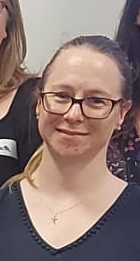
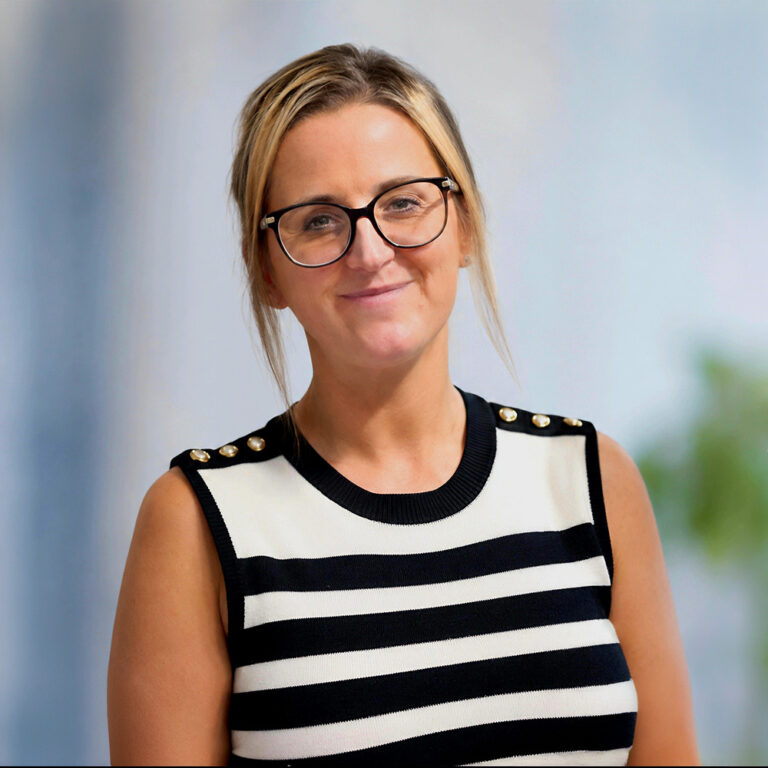
Jane Fletcher
Consultant Nurse for Nutrition and Intestinal Failure, University Hospitals Birmingham NHS Trust & Honorary Associate Professor, University of Birmingham
Jane is the Consultant Nurse for Nutrition and Intestinal Failure based at the Queen Elizabeth Hospital Birmingham, University Hospitals Birmingham NHS Trust where the team care for patients with complex nutritional problems. Jane has an interest in expanding the role of nutrition nurses, both as independent practitioners and within the wider multi-disciplinary team. She has an interest in research an believes in building the evidence base to promote and underpin excellent nutritional care for patients. She completed her PhD at the University of Birmingham in 2023 and is President Elect of BAPEN.
Carolyn Wheatley
Chair, PNG SIG & Chair, PINNT
Carolyn is currently the chair of the PNG SIG and is living with intestinal failure and receives her nutrition and hydration via a central line (home parenteral nutrition). In addition to this role, she is the current chair of PINNT and has been part of BAPEN since its inception.
She has represented PINNT in a wide range of UK and international forums. She is committed to building partnerships and drawing on the experiences of people living with artificial nutrition, ensuring their voices are heard. By collating lived experiences, she helps demonstrate the reality of what people live with and cope with every day.
Dr. Theodoric Wong
Consultant paediatric gastroenterologist/Lead for nutrition support and intestinal failure team, Birmingham Women’s and Children’s Hospital.
Dr. Theodoric Wong is a Consultant Paediatric Gastroenterologist who leads the nutrition support and intestinal failure team at Birmingham Children’s Hospital, UK and he also serves as a Clinical Senior Lecturer at Aston Medical School, Aston University. Dr. Wong has contributed to national guidelines and expert groups on neonatal and paediatric parenteral nutrition including the Neonatal Parenteral Nutrition guidelines (NICE). He has published widely on paediatric nutrition, short bowel syndrome, and intestinal failure. He was recently awarded fellowship of the American Society for Parenteral and Enteral Nutrition (FASPEN) in 2026.
Gemma Phillips
Paediatric Dietitian (Home Enteral Nutrition) & Allied Health Professional Research Leader, Leicestershire Partnership NHS Trust & Doctoral Fellow, University of Leicester.
Gemma is a HCPC registered Dietitian with over 10 years’ NHS experience in paediatric home enteral nutrition. She works as a senior dietitian and allied health professional research leader at Leicestershire Partnership NHS Trust. Gemma has led research on blended diets for enteral tube feeding and is currently completing her PhD at the University of Leicester as part of a National Institute for Health and Care Research (NIHR) doctoral fellowship. Gemma is co-lead for Research and Audit on the British Dietetic Association’s Parenteral and Enteral Nutrition Specialist Group (PENG) committee.
Lucy Hutchinson
Lead Nutrition Pharmacist, Bristol NHS Foundation Trust
Lucy has been a hospital pharmacist at Bristol for 20yrs. She has spent much of that time working with adults with intestinal failure requiring parenteral support (intravenous feeding), both in hospital and at home.
She is an independent prescriber, supporting patients daily with their nutrition and medications. Lucy is part of the British Pharmaceutical Nutrition Group (BPNG) committee, which is a special interest group focusing of the pharmaceutical aspects of nutrition.
Gemma Kavanagh
Lead Nurse, Nutritional Care Department, Birmingham Women’s and Children’s NHS Foundation Trust
Gemma joined the Nutritional Care Nursing Team in 2012 and has dedicated her career to supporting children and young people who require artificial nutrition. She is passionate about delivering family-centred care, empowering parents to confidently manage their child’s nutritional needs at home, and equipping healthcare professionals with the knowledge and skills to provide safe, high-quality care.
In 2022, Gemma was appointed as Lead Nurse for the Nutritional Care Nursing Team. In this role, they lead a dedicated team to drive excellence in clinical practice, education, quality improvement, and service innovation.
| Cookie | Duration | Description |
|---|---|---|
| cookielawinfo-checkbox-advertisement | 1 year | Set by the GDPR Cookie Consent plugin, this cookie is used to record the user consent for the cookies in the "Advertisement" category . |
| cookielawinfo-checkbox-analytics | 1 year | Set by the GDPR Cookie Consent plugin, this cookie is used to record the user consent for the cookies in the "Analytics" category . |
| cookielawinfo-checkbox-functional | 1 year | The cookie is set by the GDPR Cookie Consent plugin to record the user consent for the cookies in the category "Functional". |
| cookielawinfo-checkbox-necessary | 1 year | Set by the GDPR Cookie Consent plugin, this cookie is used to record the user consent for the cookies in the "Necessary" category . |
| cookielawinfo-checkbox-others | 1 year | Set by the GDPR Cookie Consent plugin, this cookie is used to store the user consent for cookies in the category "Others". |
| cookielawinfo-checkbox-performance | 1 year | Set by the GDPR Cookie Consent plugin, this cookie is used to store the user consent for cookies in the category "Performance". |
| CookieLawInfoConsent | 1 year | Records the default button state of the corresponding category & the status of CCPA. It works only in coordination with the primary cookie. |
| elementor | never | This cookie is used by the website's WordPress theme. It allows the website owner to implement or change the website's content in real-time. |
| enforce_policy | 1 year | PayPal sets this cookie for secure transactions. |
| ts | 3 years | PayPal sets this cookie to enable secure transactions through PayPal. |
| ts_c | 3 years | PayPal sets this cookie to make safe payments through PayPal. |
| Cookie | Duration | Description |
|---|---|---|
| aka_debug | session | Vimeo sets this cookie which is essential for the website to play video functionality. |
| nsid | session | This cookie is set by the provider PayPal to enable the PayPal payment service in the website. |
| player | 1 year | Vimeo uses this cookie to save the user's preferences when playing embedded videos from Vimeo. |
| tsrce | 3 days | PayPal sets this cookie to enable the PayPal payment service in the website. |
| x-pp-s | session | PayPal sets this cookie to process payments on the site. |
| Cookie | Duration | Description |
|---|---|---|
| l7_az | 30 minutes | This cookie is necessary for the PayPal login-function on the website. |
| sync_active | never | This cookie is set by Vimeo and contains data on the visitor's video-content preferences, so that the website remembers parameters such as preferred volume or video quality. |
| Cookie | Duration | Description |
|---|---|---|
| _ga | 2 years | The _ga cookie, installed by Google Analytics, calculates visitor, session and campaign data and also keeps track of site usage for the site's analytics report. The cookie stores information anonymously and assigns a randomly generated number to recognize unique visitors. |
| _gat_UA-51564864-7 | 1 minute | A variation of the _gat cookie set by Google Analytics and Google Tag Manager to allow website owners to track visitor behaviour and measure site performance. The pattern element in the name contains the unique identity number of the account or website it relates to. |
| _gcl_au | 3 months | Provided by Google Tag Manager to experiment advertisement efficiency of websites using their services. |
| _gid | 1 day | Installed by Google Analytics, _gid cookie stores information on how visitors use a website, while also creating an analytics report of the website's performance. Some of the data that are collected include the number of visitors, their source, and the pages they visit anonymously. |
| _hjAbsoluteSessionInProgress | 30 minutes | Hotjar sets this cookie to detect the first pageview session of a user. This is a True/False flag set by the cookie. |
| _hjFirstSeen | 30 minutes | Hotjar sets this cookie to identify a new user’s first session. It stores a true/false value, indicating whether it was the first time Hotjar saw this user. |
| _hjIncludedInPageviewSample | 2 minutes | Hotjar sets this cookie to know whether a user is included in the data sampling defined by the site's pageview limit. |
| _hjIncludedInSessionSample | 2 minutes | Hotjar sets this cookie to know whether a user is included in the data sampling defined by the site's daily session limit. |
| CONSENT | 2 years | YouTube sets this cookie via embedded youtube-videos and registers anonymous statistical data. |
| vuid | 2 years | Vimeo installs this cookie to collect tracking information by setting a unique ID to embed videos to the website. |
| Cookie | Duration | Description |
|---|---|---|
| VISITOR_INFO1_LIVE | 5 months 27 days | A cookie set by YouTube to measure bandwidth that determines whether the user gets the new or old player interface. |
| YSC | session | YSC cookie is set by Youtube and is used to track the views of embedded videos on Youtube pages. |
| yt-remote-connected-devices | never | YouTube sets this cookie to store the video preferences of the user using embedded YouTube video. |
| yt-remote-device-id | never | YouTube sets this cookie to store the video preferences of the user using embedded YouTube video. |
| yt.innertube::nextId | never | This cookie, set by YouTube, registers a unique ID to store data on what videos from YouTube the user has seen. |
| yt.innertube::requests | never | This cookie, set by YouTube, registers a unique ID to store data on what videos from YouTube the user has seen. |
| Cookie | Duration | Description |
|---|---|---|
| _hjSession_2528865 | 30 minutes | No description |
| _hjSessionUser_2528865 | 1 year | No description |
| LANG | 9 hours | No description |


